The First Hour of a Basement Flood: What to Do, In Order
What you do in the first hour decides both how much damage you get and whether your insurer pays for it.
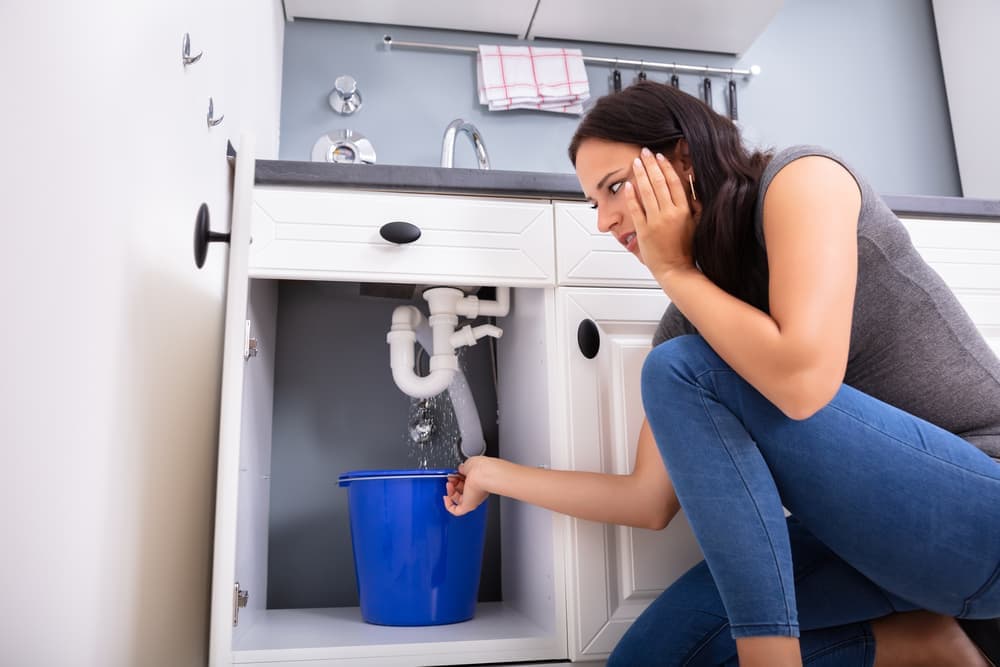
Water in the basement is disorienting. Doing these in order limits the damage and protects your insurance claim.
1. Do not walk into standing water
Not until the power to that area is off. Submerged outlets, extension leads and appliances make standing water an electrocution risk. If the panel is in the flooded area and you cannot reach it dry, call an electrician or your utility. Do not wade to it.
2. Kill the power to the basement
At the breaker panel, if you can reach it safely and dry. Leave your sump pump circuit on if it is on its own breaker and the pump is still running — you want that working.
3. Stop the source if it is yours
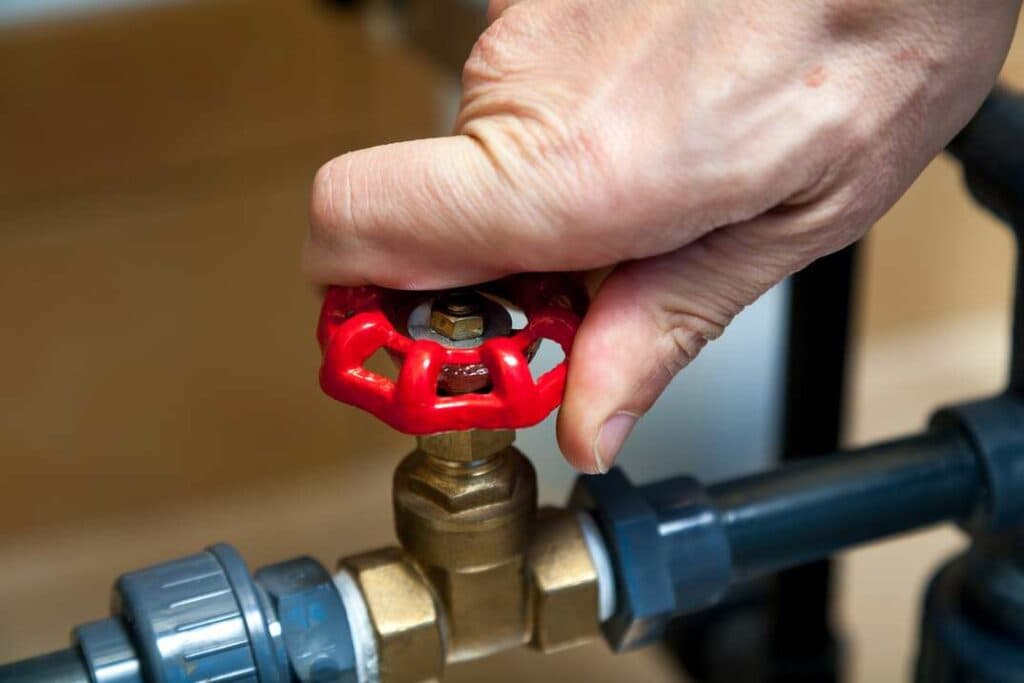
If it is a burst pipe or failed water heater rather than sewer backup, shut the main water valve. Usually in the basement near the meter, or where the supply enters the front wall. Turn it clockwise.
If water is coming up through a floor drain, it is the municipal sewer and there is nothing at your main valve that will stop it.
4. Photograph everything before you touch it
This is the step people skip and regret. Wide shots showing the depth, close-ups of damaged contents, the drain or pipe it came from, and a clock or phone screen showing the time. Video walking the room is even better.
No insurer takes your word for water depth after it has been mopped.
5. Call your insurer and report it
Do it early — many policies have prompt-reporting conditions. Ask specifically whether you have sewer backup coverage, which is frequently an optional rider rather than standard.
6. If it is sewage, treat it as contaminated
Sewer backup is a biohazard, not just water. Boots, gloves, no bare skin. Anything porous it touched — carpet, underlay, cardboard, upholstery — is generally a write-off. Do not run a household vacuum over it.
7. Report it to the City
Municipalities want to know when sewers surcharge; it feeds the data that drives infrastructure work and, in some cases, your eligibility for assistance. In St. Catharines the number is 905 688 5600.
8. Get water out and air moving
Once the power is safe: pump or wet-vac the water, then dehumidify and ventilate. Mould establishes in 24 to 48 hours in a damp basement, and that turns a water problem into a health and remediation problem.
Then, once it is dry
Find out why. A backup through the floor drain and a seepage line along the wall have completely different fixes. A camera inspection tells you which — and in several municipalities that inspection and the fix are funded.
Want it checked properly? Book a consultation call: 647 206 3327
Need a plumber in the GTA?
Licensed & insured · Upfront pricing · Same-day service available 24/7
647 206 3327 — Call Now