
Proper Plumbing
City of St. Catharines: Up To $5,00090% Of Eligible Costs ReimbursedNo Flood History NeededπŸ’³ Financing Available β€” Cover Your Share Until the Cheque Lands

Get Back Up To $5,000 To Flood-Proof Your Basement

St. Catharines reimburses 90% of the job β€” backwater valve, sump system, weeping tile and the plumbing to fit them β€” to a maximum of $5,000 per home. Your home does not need to have flooded to qualify.

βœ“ Licensed & insured Ontario plumbersβœ“ Lifetime workmanship warrantyβœ“ We handle the paperwork with the Coordinatorβœ“ CSA-approved materials only

Book Your Consultation Call

Leave your contact details β€” we'll call you back, check your home against the programme criteria, and walk you through the City's process end to end.

⚑ Apply first, install second β€” that order is what makes the money claimable.

By booking a consultation call you agree to receive your rebate estimate and program updates from Proper Plumbing GTA by email and SMS. Unsubscribe anytime at properplumbinggta.com/unsubscribe.

Flooding right now? Don't start here. Report it to the City on 905 688 5600 and call your insurance provider straight away. The programme reimburses planned prevention work β€” it isn't an emergency route. Sort the flood out first.

Official Government Rebate Program

One program. Ninety per cent.

City of St. Catharines

Emergency Flood Alleviation Program

Rebated up to

$5,000

90% of eligible project costs

One programme covering the whole job β€” the backwater valve, the sump system and the weeping tile work that keeps groundwater out of the sanitary sewer. The City pays back nine dollars in ten, up to the cap, so on a typical project your share is the last few hundred dollars. Your home does not need to have flooded to qualify.

Costs covered

  • Normally-open mainline backwater valve
  • Sump pit and primary sump pump
  • Backup pump β€” battery-powered or water-siphon
  • Weeping tile disconnection from the sanitary sewer
  • Reconnection of the weeping tile to the sump system
  • Related discharge piping
  • Your contractor’s initial assessment
  • The Plumbing-Only permit

Your home must be a single- or semi-detached residential property inside City limits, built before 2012, and connected to the City's sanitary sewer. Everything runs under a Plumbing-Only permit, which we pull for you, and reimbursement follows 4–6 weeks after your documents go in. The City is clear that funding is limited: meeting the criteria does not guarantee it, so apply before you commit to the work.

Official program page β€” stcatharines.ca
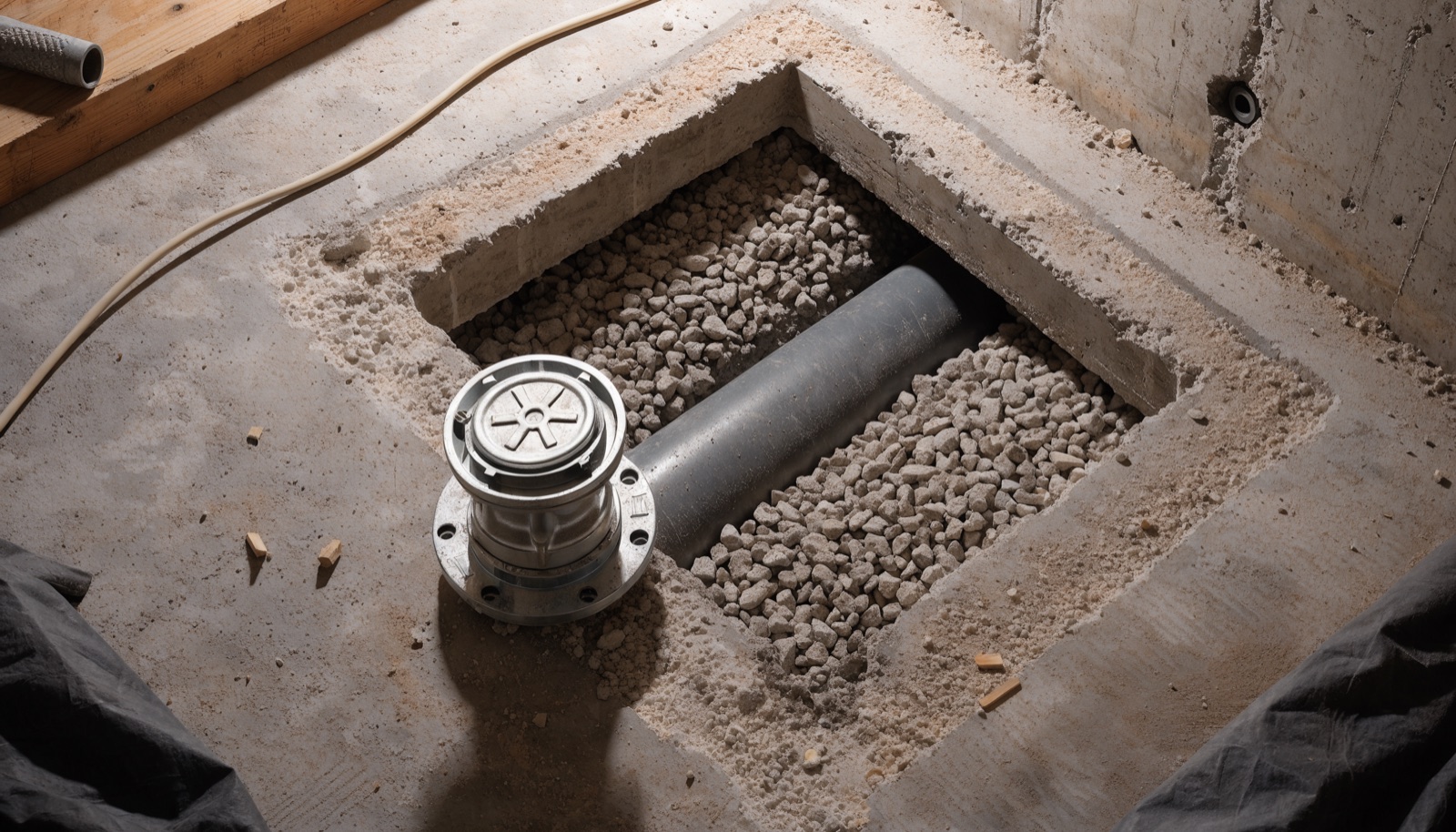
Mainline backwater valve installed in a basement floor

What You'd Actually Pay

Drag the slider to your job size. That's it.

$1,000$15,000

The City pays you

$4,500

You pay

$500

The City covers 90%. You cover the last 10%.

The City's own examples:

This is a reimbursement: you pay your contractor in full, then the City pays you 4–6 weeks after your documents go in. Funding is limited and meeting the criteria does not on its own guarantee it, so the application goes in first. Ask us about covering that gap on the call. Figures are an estimate β€” the City confirms your final amount.

What Gets Installed β€” And Why It Protects Your Home

The programme funds one connected system, not a shopping list. Each piece covers a different way water gets into a St. Catharines basement.

πŸ›‘οΈ

Mainline Backwater Valve

90% covered

The anchor of every application

A normally-open one-way valve fitted on your sanitary lateral, in place of the existing main cleanout. It sits open so the line breathes and rods normally, then snaps shut the moment the City's sewer surcharges β€” physically blocking sewage from coming back up into your basement.

  • βœ“Stops the worst kind of basement flood: sewage backup
  • βœ“A normally-open mainline valve is what the programme covers
  • βœ“Fitted in place of the existing main cleanout
πŸ’§

Sump Pit & Primary Pump

90% covered

Where the groundwater goes instead

A pit cut into your basement floor with a submersible pump inside. It gathers the groundwater your weeping tile collects around the foundation and pushes it out and away from the house, automatically, every time it rains.

  • βœ“Gives the weeping tile somewhere to go once it leaves the sanitary sewer
  • βœ“The pit and the primary pump are both eligible costs
  • βœ“Runs automatically, every time it rains
πŸ”‹

Backup Pump

90% covered

Battery or water-siphon

A second pump that takes over when the power goes out β€” which, in the storms that cause flooding, is exactly when the primary pump stops. Battery-powered or water-siphon systems both qualify.

  • βœ“Storms take out the power and the pump at the same moment
  • βœ“Battery-powered and water-siphon backups are both named as eligible
  • βœ“The one piece of kit that still works in a power cut
πŸ”€

Weeping Tile Disconnection

90% covered

The highest-impact item

Your foundation drain may still empty into the sanitary lateral β€” an arrangement that pours groundwater into the sewer during every storm and helps cause the surcharge that floods you. This work cuts that connection and redirects the tile into your new sump pit.

  • βœ“Disconnection and reconnection to the sump are both eligible
  • βœ“Takes pressure off the sewer for your street, not just your house
  • βœ“Discharge piping to carry the water clear of the foundation is covered too
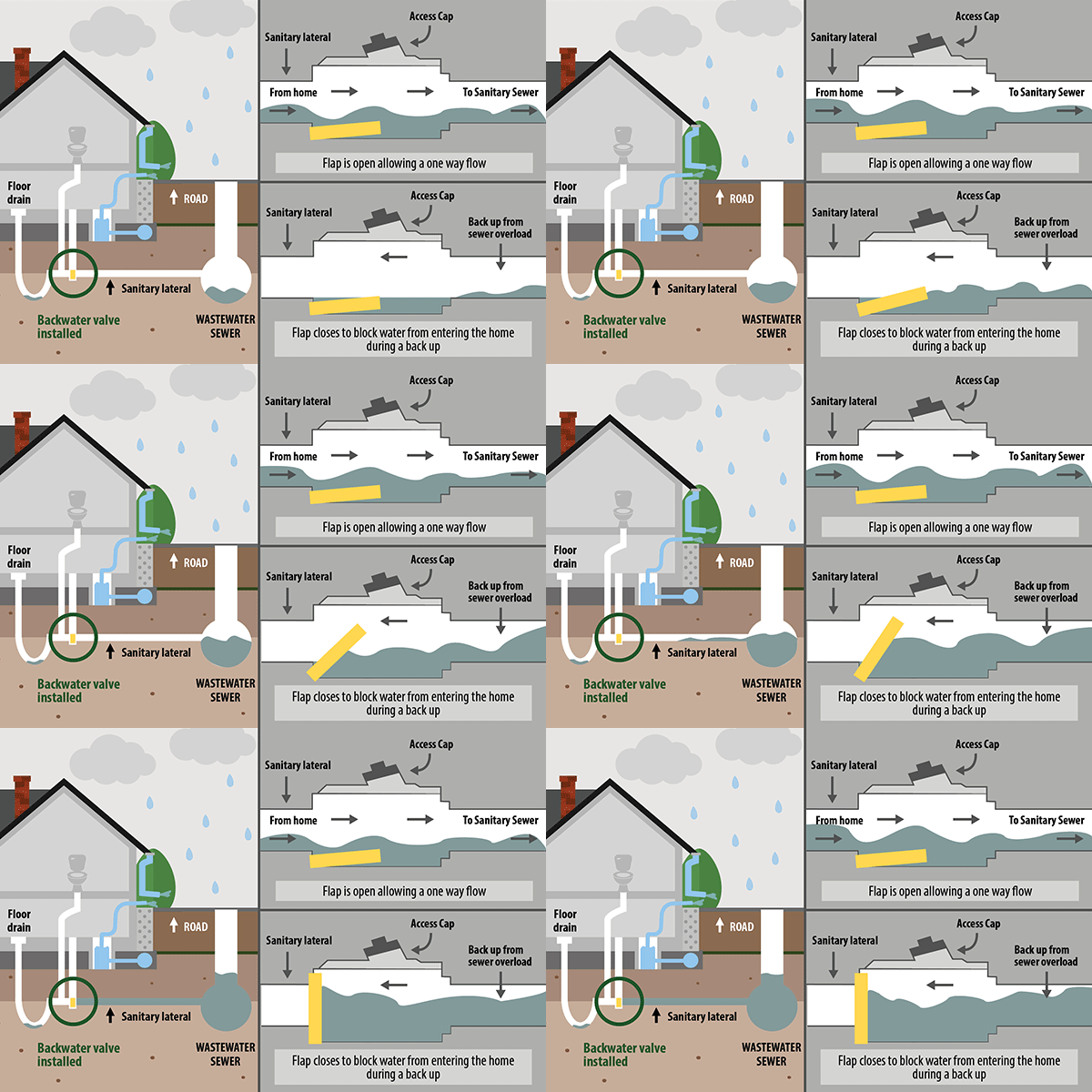
Backwater valve animation showing how it closes during a sewer backup

Backwater Valve

Open under normal conditions so the line drains and rods as usual. The moment sewer pressure reverses during a storm, the flap swings shut and blocks sewage from entering the house.

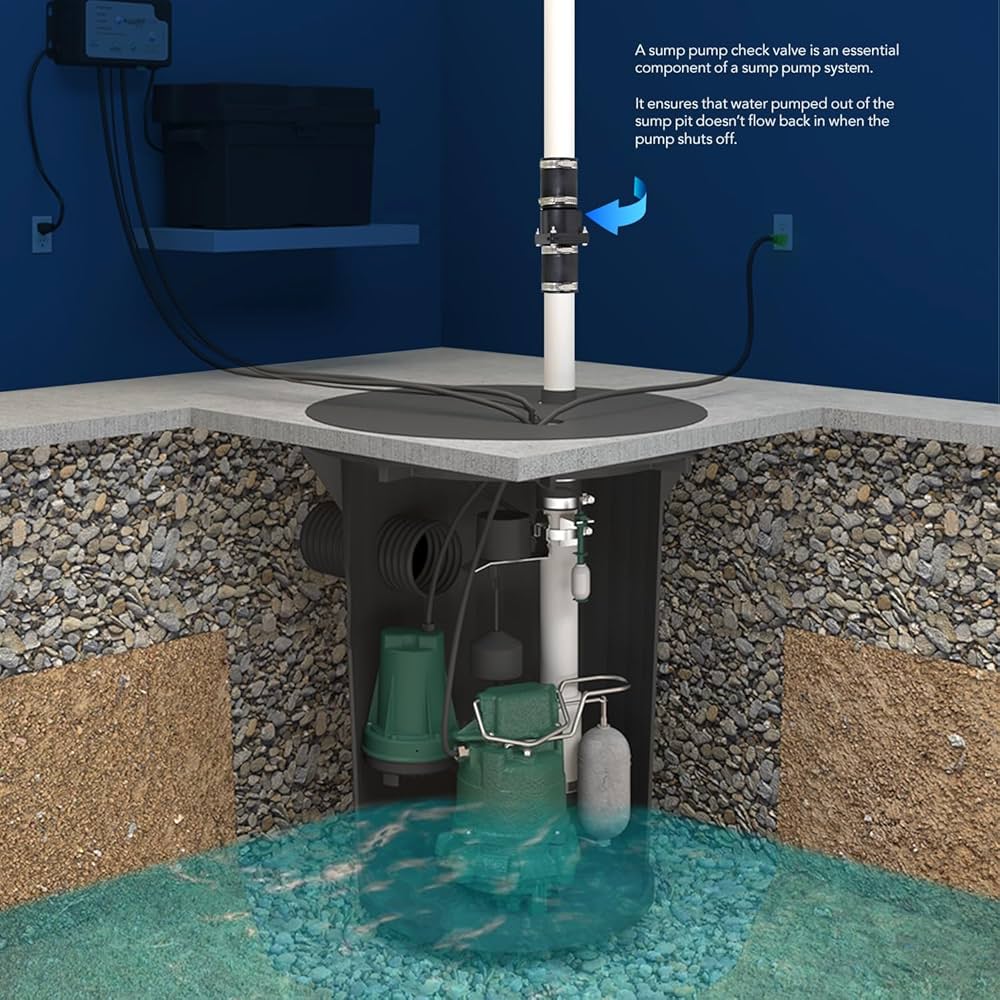
Sump pump diagram showing groundwater being pumped away from foundation

Sump Pump

Sits in a pit beneath the basement floor and takes the groundwater your weeping tile collects once it stops draining into the sanitary sewer, pumping it clear of the foundation.

Why the City Is Handing This Money Out

🌧️

The Storms Keep Getting Bigger

The programme exists because St. Catharines is adapting to a changing climate. Rain events that used to be rare now arrive regularly, and the sanitary system was not built for them.

🚰

Weeping Tile Is Overloading the Sewer

Older homes still drain their foundation tile into the sanitary lateral. Every one of those connections pushes groundwater into a sewer already at capacity β€” which is what surcharges it and floods basements.

πŸ’Έ

A Flood Costs Far More Than Your Share

Remediating a flooded basement β€” mould, flooring, drywall, electrical β€” runs many times what your 10% share of this work would be. And sewer backup is excluded from most standard policies.

πŸ›‘οΈ

Backed For Life

Every installation we carry out carries a lifetime workmanship warranty β€” our labour, connections, seals and slab work, for as long as you own the home. Equipment carries its manufacturer's warranty on top.

How It Works

The City runs an eleven-step process. Here is what it feels like from your side of it.

πŸ“
Step 1

Apply Online

You submit the online application. Getting it in early matters β€” the City reviews against funding available at the time, and meeting the criteria on its own does not secure it.

πŸ“‹
Step 2

Quote & Permit

Your contractor completes an on-site assessment and quotation using a licensed plumber, then the Plumbing-Only permit the job must run under is applied for and issued.

πŸ”§
Step 3

Work Gets Done

The install happens: valve, sump system, weeping tile and discharge piping, all under the open permit.

πŸ’΅
Step 4

Inspection & Cheque

A City Plumbing Inspector signs off and closes the permit. You hand the final invoice to the Coordinator, and the reimbursement cheque is mailed to you in about four to six weeks.

You hire and pay the contractor β€” the City does not do that part, and it does not endorse anyone. Your contractor does the assessment and quote, the permit is issued against it, and the City releases the money once the finished work passes inspection. Read the City's Emergency FLAP page β†—

Do You Qualify?

Four questions. Ten seconds. No email required.

1.Is your home detached or semi-detached?

2.Was it built before 2012?

3.Is it inside St. Catharines city limits?

4.Is your home on the City's sanitary sewer?

5.Has any of this work been done already?

What the City actually requires

Straight from the Emergency FLAP page. We check your home against all of it.

  • !A single-detached or semi-detached home, built before 2012, inside City limits
  • !Connected to the City's sanitary sewer system
  • !All work done by a licensed plumber under a valid Plumbing-Only permit
  • !Your home does not need to have flooded already β€” this is a prevention programme
  • !Funding is limited: meeting the criteria does not on its own guarantee reimbursement, so the application goes in before the work does

Not sure where your home lands?

We'll go through the criteria with you on the phone before anyone books anything.

Book a Consultation Call β†’
Home Financing Available

The Cheque Comes After the Work

This is a reimbursement programme: you pay your contractor in full, the permit closes, and the City mails your cheque four to six weeks later. We work with home improvement lenders so you can bridge that gap and clear the balance the moment it lands.

βœ…

Get Approved

Quick pre-approval from a home improvement lender β€” no home equity required

πŸ”§

Work Gets Done

Permit open, installation complete, City inspection passed

πŸ’΅

Cheque Arrives

Mailed to your home address, typically four to six weeks after the permit closes

🏁

Clear the Balance

Use the reimbursement to pay off the loan β€” you are left with your 10% share

Ask us about financing when you book.

We'll walk through the options on your consultation call, so the reimbursement timeline isn't the thing that stops you protecting the house.

Book a Consultation Call β†’

Frequently Asked Questions

Ready to See Your Numbers?

Leave your details and we'll call you back to go through eligibility, scope and what your 10% share would realistically look like.

Book My Consultation Call β†’
πŸ“ž Call NowBook a Call β†’