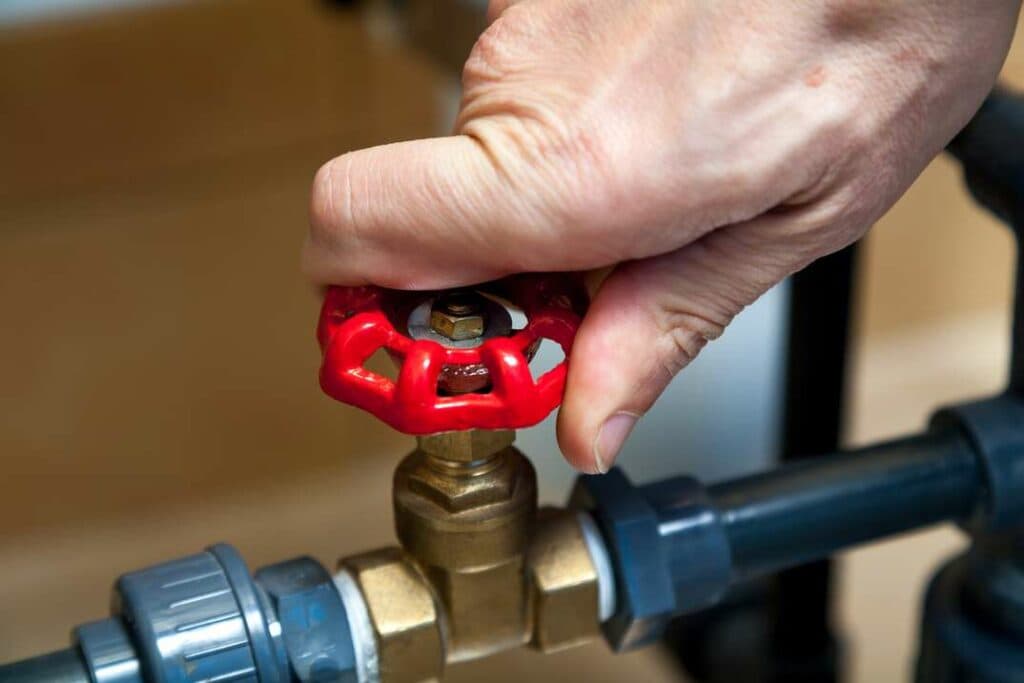
Repair or Replace? How GTA Homeowners Should Think About Aging Plumbing
Fixing the same pipe for the third time? There's a point where repairs stop making financial sense. Here's how to know when to repair and when to replace — so you stop throwing money away.
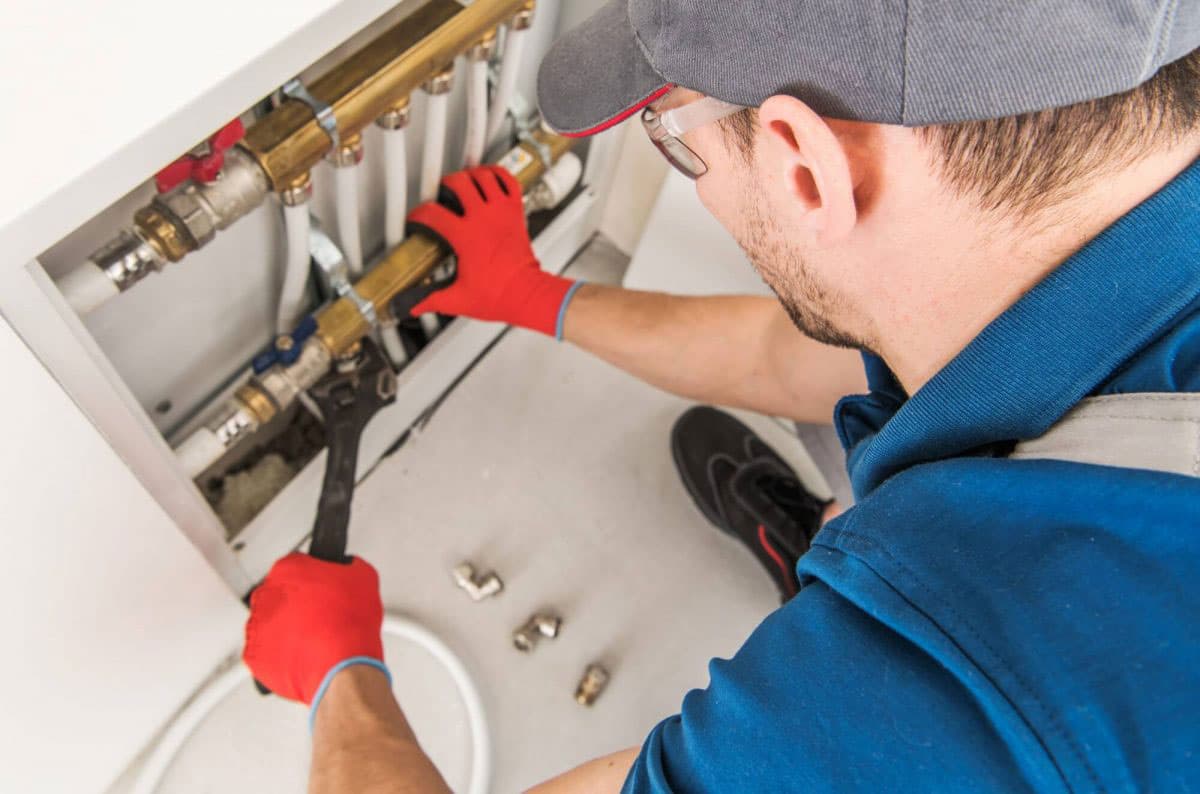
One of the most common questions homeowners ask us: "Should I fix this, or just replace the whole thing?" It's a smart question — and the answer depends on the age of your system, the nature of the failure, and what's actually at risk if you kick the can down the road.
Here's how to think about it clearly.
The General Rule: Age + Repair Cost vs. Replacement Cost
A rough guide used by most plumbers:
- If the repair cost is less than 50% of replacement and the system has less than half its expected life remaining — repair.
- If you're at more than 75% of the system's expected lifespan — replacement is almost always the smarter financial move.
This isn't absolute, but it prevents the "death by a thousand repairs" trap.
Water Heaters
Tank water heaters typically last 8–12 years in Ontario (hard water accelerates corrosion). Tankless units last 15–20+ years with proper maintenance.
Repair makes sense: Thermostat replacement, anode rod replacement, minor valve fixes — if the tank is under 8 years old.
Replace: Any internal tank leak, rust in hot water, popping sounds on a 10+ year-old tank, or repair costs over $500 on an old unit.
Pipes
GTA homes built before 1980 may have galvanized steel pipes (prone to corrosion and rust), lead service lines (serious health concern), or original cast iron drains (which can crack and collapse). Homes from the 1970s–90s sometimes have polybutylene (grey plastic) pipes, which are known to fail.
Repair makes sense: A single localized leak in otherwise sound copper or PVC piping.
Replace: Galvanized pipes with chronic rust or low pressure; polybutylene pipes; lead service lines; cast iron that shows multiple cracks; any pipe type that has been repaired 2+ times in the same section.
Toilets
A standard toilet can last 25+ years, but internal components (fill valve, flapper, flush valve) wear out every 5–10 years. The ceramic bowl itself is rarely the issue.
Repair makes sense: Running toilet (flapper or fill valve), minor leak at the base, rocking toilet (wax ring), handle issues. These are typically $100–$200 repairs.
Replace: A cracked tank or bowl (not economical to repair), or a toilet that's constantly running despite repeated part replacements, or models over 20 years old using 13+ litres per flush (replacing saves significantly on water bills).
Drain Lines
If you're having the same drain cleared every 6–12 months, you're not solving the problem — you're managing it. Recurring clogs usually indicate root intrusion, grease buildup on rough pipe walls, or a partial collapse.
Repair makes sense: A one-time clog with no structural issues found on camera.
Replace or reline: Root intrusion, cracked pipe, offset joints, or recurring clogs despite regular cleaning. Pipe lining can often rehabilitate a damaged drain without full excavation.
The Hidden Cost of Repeated Repairs
Three $300 drain cleanings in two years = $900. A sewer camera + pipe lining = $1,200–$2,500. The math often favours the permanent fix — especially when you factor in water damage if a pipe fails catastrophically.
How to Decide With Confidence
Ask your plumber to run a sewer camera before recommending a fix on any recurring drain issue. And always ask: "If I repair this today, what's the likelihood I'm dealing with the same issue in 12 months?" A good plumber will give you an honest answer.
Proper Plumbing GTA gives you upfront options — repair and replace pricing — so you can make the right call. Call us: 647 206 3327
Need a plumber in the GTA?
Licensed & insured · Upfront pricing · Same-day service available 24/7
647 206 3327 — Call Now