How to replace your water heater step-by-step in the GTA
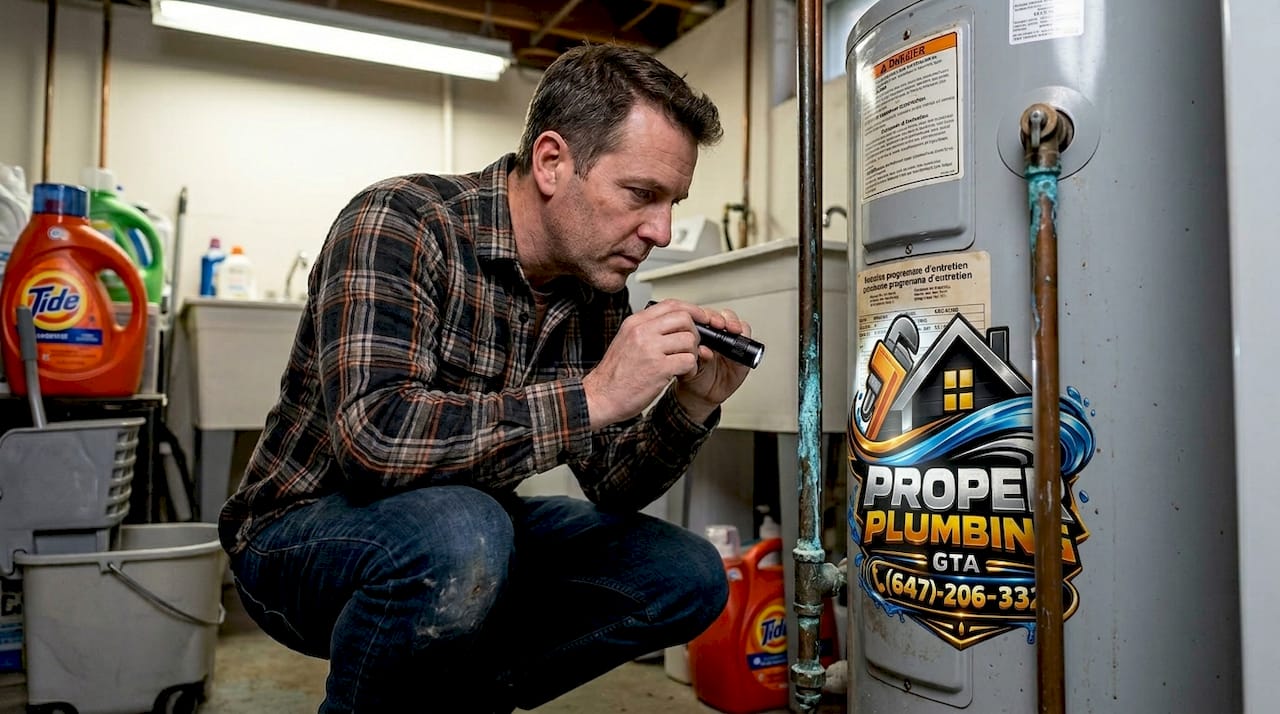
How to replace your water heater step-by-step in the GTA ! Homeowner inspecting basement water heater GTA Waking up to an ice-cold shower in January is not just uncomfortable.
How to replace your water heater step-by-step in the GTA
Waking up to an ice-cold shower in January is not just uncomfortable. It is a sign that something has gone seriously wrong with your water heater. For GTA homeowners, a failing unit can mean water damage, rising energy bills, and disruption to daily life. This guide walks you through everything you need to know: how to spot a failing heater, how to choose the right replacement, what tools and permits you need, and how to complete the swap safely. Whether you are considering a DIY approach or deciding when to call a licensed plumber, you will have a clear roadmap by the end.
Table of Contents
- Recognising when to replace your water heater
- Choosing the right replacement: Tank vs. tankless
- Preparing for replacement: Tools, permits, and safety essentials
- Step-by-step replacement guide: From shut-off to start-up
- Ensuring long-term performance and avoiding common mistakes
- Why DIY isn’t always worth the risk: A GTA plumber’s perspective
- Get emergency support for your water heater replacement
- Frequently asked questions
Key Takeaways
| Point | Details |
|---|---|
| Replace before failure | Replacing your water heater at the first sign of age or trouble can prevent costly damage. |
| Choose the right type | Tankless heaters cost more but last longer and save energy, while tanks are simpler and cheaper upfront. |
| Professional installation matters | Gas units and Toronto’s codes mean it’s safer and smarter to use licensed pros for replacements. |
| GTA maintenance is key | Annual flushing and softening prevent problems from Toronto’s hard water, extending your heater’s life. |
| Check local permits | Always review Toronto-specific safety and permit requirements before starting a water heater replacement. |
Recognising when to replace your water heater
Not every problem with your water heater means it needs to be replaced. But some signs are hard to ignore. Knowing the difference between a fixable issue and a unit that has reached the end of its life can save you from a flooded basement or a week without hot water.
Here are the most common signs it is time to replace your water heater:
- Age over 10 years for a tank unit, or over 20 for tankless
- Rusty or discoloured water coming from the hot tap
- Rumbling or popping sounds during heating cycles, often caused by sediment build-up
- Visible leaks or corrosion around the tank body or connections
- Inconsistent water temperature or a unit that runs constantly
- Rising energy bills with no other explanation
Tank water heaters typically last 8 to 12 years. Tankless units offer 15 to 20 years of service life and better energy efficiency. If your tank is past the 10-year mark and showing two or more of the signs above, repair costs will likely keep climbing. At that point, replacement makes more financial sense than another service call.
Important: In the GTA, hard water accelerates sediment build-up inside your tank. This shortens lifespan and makes failure more likely during cold winter months when demand peaks.
If you are unsure whether your unit needs repair or full replacement, a quick assessment from a licensed tech handling water heater repairs can give you a clear answer without guesswork.
Choosing the right replacement: Tank vs. tankless
Once you know it is time for a new unit, the next question is which type to buy. Both tank and tankless water heaters have real advantages, and the right choice depends on your household size, budget, and long-term goals.
| Feature | Tank heater | Tankless heater |
|---|---|---|
| Upfront cost | $800 to $1,500 | $1,500 to $3,000+ |
| Installation complexity | Lower | Higher |
| Lifespan | 8 to 12 years | 15 to 20 years |
| Energy savings | Standard | Up to 30% more efficient |
| Space required | More (storage tank) | Less (wall-mounted) |
| Hot water supply | Limited by tank size | Continuous |
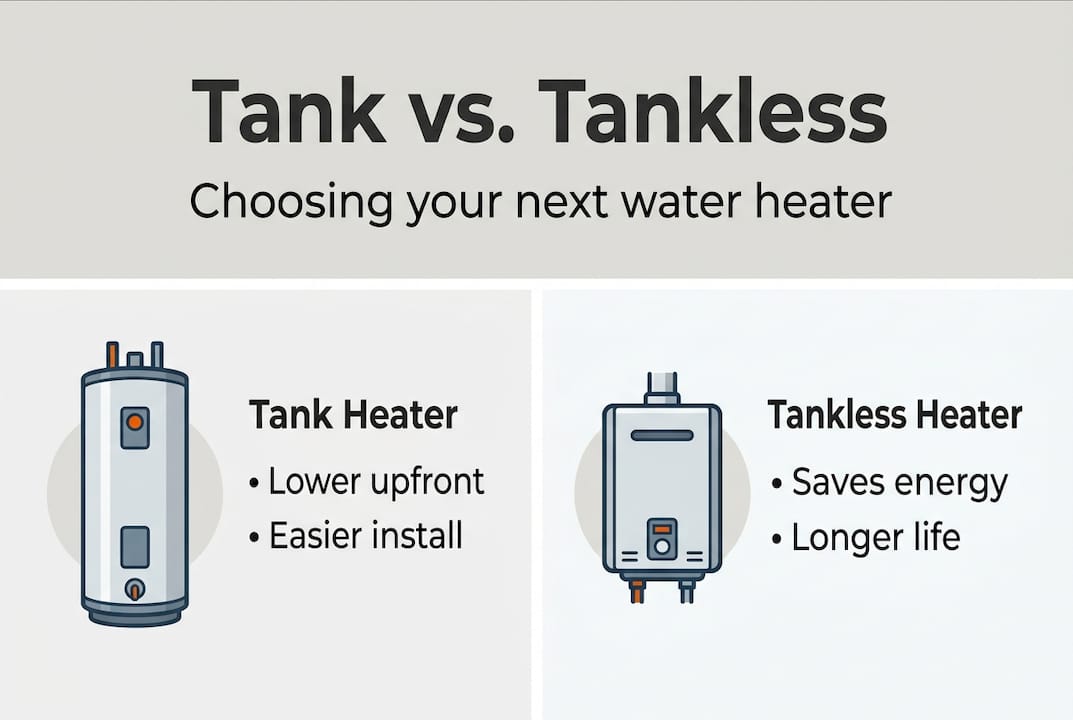
Tank units cost less upfront and are simpler to install, but tankless models can save up to 30% on energy costs over time. For smaller households or those on a tighter budget, a quality tank unit is still a solid choice. Larger families or those wanting long-term savings often benefit more from going tankless.
One factor unique to the GTA: Toronto’s water hardness means annual flushing or a water softener is essential for either type to last its full lifespan. Factor that into your maintenance plan from day one.
Look for ENERGY STAR certified models. They deliver at least a 9% improvement in efficiency over standard units, which adds up on your gas or hydro bill every month.
Pro Tip: If you are upgrading to tankless, consult local installation experts before purchasing. Some older GTA homes may need gas line upgrades or additional venting to support a tankless unit, and discovering this after purchase is a costly surprise.
Preparing for replacement: Tools, permits, and safety essentials
Before you touch anything, gather the right tools and understand what the law requires. Skipping this step is one of the most common and expensive mistakes homeowners make.
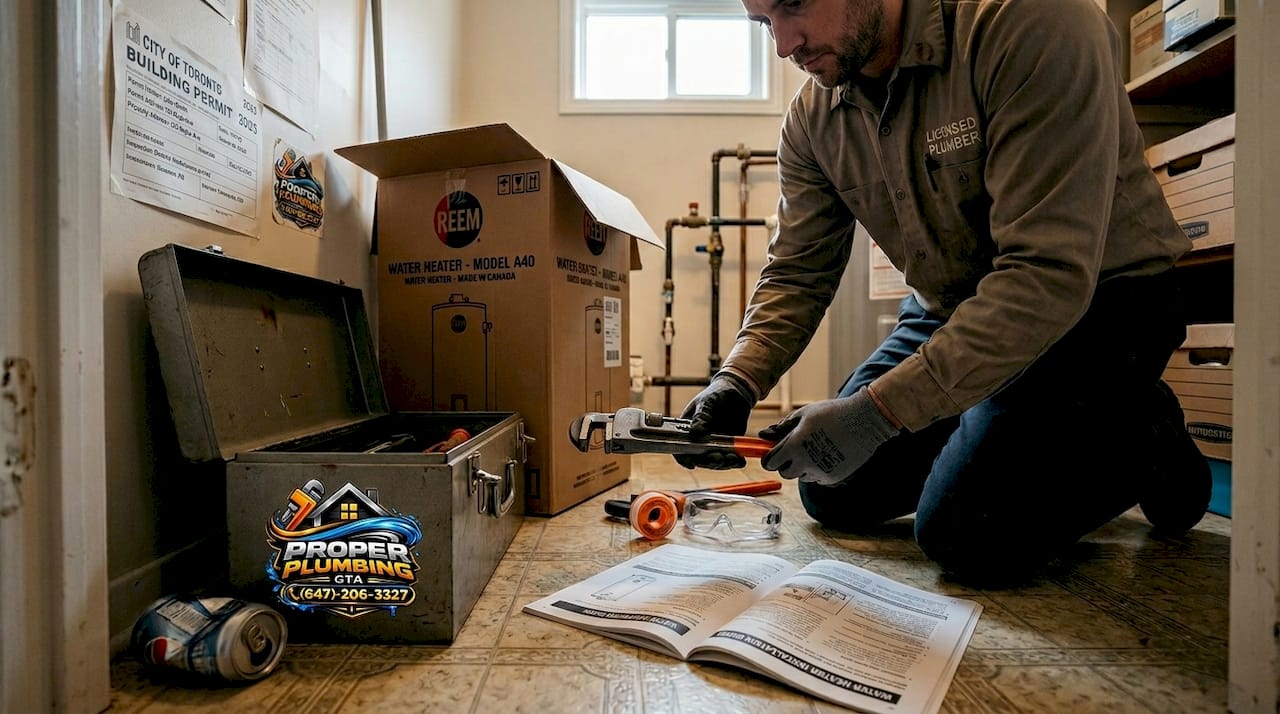
| Item | Purpose |
|---|---|
| Pipe wrench and adjustable wrench | Disconnecting water and gas/electric lines |
| Garden hose | Draining the old tank |
| Voltage tester | Confirming power is off (electric units) |
| Teflon tape and pipe fittings | Sealing new connections |
| Dolly or hand truck | Moving the old and new unit safely |
| Drip pan | Catching residual water during removal |
In the GTA, water heater replacement is regulated. Here is what you need to know before starting:
- Gas water heaters require a permit and must be installed by a TSSA-licensed contractor (Technical Standards and Safety Authority)
- Electric water heaters may require an ESA (Electrical Safety Authority) permit for new wiring or panel connections
- All installations must meet Ontario Building Code requirements
- Failing to pull permits can result in fines and may affect your home insurance coverage
Safety note: DIY on electric units may void your manufacturer’s warranty and home insurance policy, and can attract code fines if work is not inspected.
For gas units especially, working with a qualified repair tech is not just recommended. It is required by law. If you prefer to communicate in your first language, Hindi-speaking pros are available across the GTA to walk you through every step.
Step-by-step replacement guide: From shut-off to start-up
With your tools ready and permits in order, here is how to complete the replacement safely and correctly.
- Shut off the power or gas. For electric units, switch off the breaker. For gas, turn the gas valve to the off position. Shut off the cold water supply valve to the heater.
- Connect a garden hose to the drain valve at the base of the tank. Run the hose to a floor drain or outside. Open a hot water tap in the house to allow air in, then open the drain valve to empty the tank.
- Disconnect the supply lines. For electric units, remove the wiring from the junction box. For gas, disconnect the gas line carefully. Cap all open lines immediately.
- Remove the old unit. Use a dolly to move it safely. Many GTA municipalities offer bulk item pickup, or your plumber can arrange disposal.
- Position the new unit. Place it on a drip pan in the same location. Connect the cold water inlet and hot water outlet lines using Teflon tape on all threaded fittings.
- Reconnect power or gas. For gas, check all connections with soapy water before turning the gas on. Bubbles mean a leak. Stop immediately if you see any.
- Fill the tank before turning on power. Open a hot water tap and let water run until it flows steadily, confirming the tank is full.
- Light the pilot or restore power. Follow the manufacturer’s start-up instructions exactly.
Pro Tip: Hard water deposits in older GTA homes can clog the drain valve during step two. If it will not open fully, a Mississauga heater help professional or North York water heater tips resource can assist with stubborn sediment issues.
Gas water heater replacement should never be treated as a DIY project. The risks are real and the legal consequences are serious.
Ensuring long-term performance and avoiding common mistakes
Installing the unit is only half the job. What you do in the weeks and years after installation determines how long your new heater lasts and how efficiently it runs.
First start-up checklist:
- Check all connections for drips or moisture
- Confirm the pressure relief valve (T&P valve) is functioning correctly
- Verify the venting is clear and properly connected (gas units)
- Test GFCI outlets near the unit (electric units)
- Set the thermostat to 49°C to prevent scalding and bacteria growth
Annual maintenance checklist:
- Flush the tank to remove sediment, especially important given Toronto’s hard water conditions
- Inspect and replace the anode rod every 3 to 5 years to prevent internal corrosion
- Check the T&P valve by lifting the lever briefly to ensure it releases and reseals
- Consider a whole-home water softener if scaling is a recurring issue
ENERGY STAR certified heaters deliver an estimated 9% annual savings on energy costs. That saving grows significantly when you pair the right unit with consistent maintenance.
Common mistakes to avoid:
- Skipping the TSSA inspection after a gas install
- Ignoring a small drip at a connection after installation
- Setting the thermostat too high, which accelerates sediment build-up
- Forgetting to register the warranty after installation
For ongoing water heater maintenance in the Vaughan area and beyond, local licensed plumbers can handle annual servicing so you are never caught off guard.
Why DIY isn’t always worth the risk: A GTA plumber’s perspective
We see it regularly. A homeowner watches a few videos, feels confident, and attempts a full water heater swap on their own. Sometimes it goes fine. More often, we get a call two weeks later because of a leak, a failed inspection, or worse, a voided insurance claim after a water damage event.
DIY on electric units can void manufacturer warranties and home insurance, and gas heaters carry serious safety and legal risks if installed without a licence. Carbon monoxide leaks from improperly connected gas lines are not hypothetical. They happen, and they are life-threatening.
Beyond safety, there is the code issue. Ontario requires permits and inspections for water heater replacements. If your home is ever sold or you make an insurance claim, unpermitted work can become a major liability. The cost of a licensed installation is almost always less than the cost of fixing a bad DIY job.
Our honest advice: for electric units, a confident and experienced DIYer can manage the swap with the right permits. For gas, call a professional water heater repairs team. Every time. The peace of mind alone is worth it.
Get emergency support for your water heater replacement
If your water heater has failed or you are mid-replacement and something does not look right, do not wait. Hot water is not a luxury in a Canadian winter, and the risks of getting this wrong are real.

Proper Plumbing GTA connects you with licensed, insured plumbers across the Greater Toronto Area, available 24/7 including nights, weekends, and holidays. Our 24/7 emergency plumber network responds within 60 minutes. We handle everything from full unit replacements to code-compliant gas connections, with upfront pricing and no surprises. Whether you need plumbing repairs GTA wide or a trusted emergency plumber Toronto residents rely on, we are ready when you need us most.
Frequently asked questions
Can I replace a gas water heater myself in Toronto?
No. Gas heater installs must be completed by a TSSA-licensed professional to meet Ontario code and avoid serious safety risks, including carbon monoxide exposure and legal fines.
How long does a water heater last in the GTA?
Tank units typically last 8 to 12 years, while tankless units last up to 20 years with regular maintenance and annual flushing to manage hard water build-up.
What size water heater do I need for my home?
A 40 to 50 gallon tank suits most households of one to four people. Tankless suits larger needs by providing continuous hot water on demand, making it ideal for bigger families or high-usage homes.
Does Toronto’s hard water impact my water heater choice?
Yes. Toronto’s hard water causes mineral build-up inside your tank or heat exchanger, so annual flushing or installing a water softener is essential to protect your investment and maintain efficiency.
Recommended
- Water Heater Repair GTA — Same-Day Service | Proper Plumbing
- Water Heater Not Working? Here’s What to Check Before Calling a Plumber | Proper Plumbing GTA Blog
- Punjabi Water Heater Repair in Scarborough — ਪੰਜਾਬੀ | Proper Plumbing GTA
- Punjabi Water Heater Repair in Toronto — ਪੰਜਾਬੀ | Proper Plumbing GTA
Need a plumber in the GTA?
Licensed & insured · Upfront pricing · Same-day service available 24/7
647 206 3327 — Call Now